Scleroderma Awareness Month is observed in June every year.
Scleroderma is a chronic autoimmune connective tissue disease in which the body produces excess collagen. This causes hardening and thickening of the skin and internal organs.
Scleroderma has no known cause or cure. Diagnosing it is difficult because its symptoms are similar to other diseases.
There are two main types of scleroderma. Diffuse scleroderma results in the hardening of the skin, affecting internal organs like the heart, kidneys, and lungs. Limited scleroderma is less likely to affect internal organs, and the skin hardening is not as severe.
Symptoms of scleroderma according to Johns Hopkins Medicine may include:
- Thickening and swelling of the fingers
- Pale fingers that may become numb and tingle when exposed to cold or stress, known as Raynaud's phenomenon
- Joint pain
- Taut, shiny, darker skin on large areas, which can cause problems with movement
- Limited mobility or immobile fingers, wrists or elbows because of the thickening of the skin
Causes
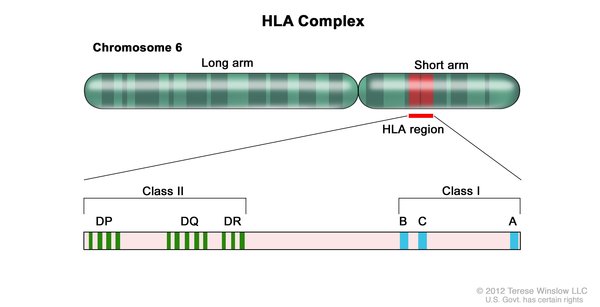
Researchers have identified variations in several genes that may influence the risk of developing systemic scleroderma. The most commonly associated genes belong to a family of genes called the human leukocyte antigen (HLA) complex. Affected Populations
Systemic scleroderma affects between 38 and 341 individuals per million throughout the world (prevalence) and develops in 8 to 56 individuals per million each year (incidence). It is more common in populations from southern Europe, North America and Australia, and less common in populations from northern Europe and Japan. The disease most often starts to manifest in the fifth decade of life (age of onset). Although it most commonly occurs in women, men tend to have more severe disease. (NORD - National Organization for Rare Disorders)
Complications according to Mayo Clinic
Scleroderma complications range from mild to severe and can affect the:
- Fingertips. In systemic sclerosis, Raynaud's phenomenon can become so severe that the restricted blood flow permanently damages the tissue at the fingertips, causing pits or skin sores. In some cases, the tissue on the fingertips may die.
- Lungs. Scarring of lung tissue can impact your ability to breathe and tolerance for exercise. You may also develop high blood pressure in the arteries to your lungs.
- Kidneys. A serious kidney complication (scleroderma renal crisis) involves a sudden increase in blood pressure and rapid kidney failure. Prompt treatment of this condition is important to preserve kidney function.
- Heart. Scarring of heart tissue increases your risk of abnormal heartbeats and congestive heart failure. Scleroderma can also cause inflammation of the membranous sac surrounding your heart.
- Teeth. Severe tightening of facial skin can cause your mouth to become smaller and narrower, which may make it hard to brush your teeth or to even have them professionally cleaned. People who have scleroderma often don't produce normal amounts of saliva, so the risk of dental decay increases even more.
- Digestive system. Digestive problems associated with scleroderma can lead to heartburn and difficulty swallowing. It can also cause bouts of cramps, bloating, constipation or diarrhea. Some people who have scleroderma may also have problems absorbing nutrients due to overgrowth of bacteria in the intestine.
- Joints. The skin over joints can become so tight that it restricts joint flexibility and movement, particularly in the hands.
Find out more about Scleroderma
World Scleroderma Foundation
Scleroderma Research Foundation
National Scleroderma Association, USA
Scleroderma & Raynaud’s UK
The Awareness colour is teal
Get the Tshirt


See all the Health Awareness Days at Autoimmune Disease List

.png "Autoimmune News round up")